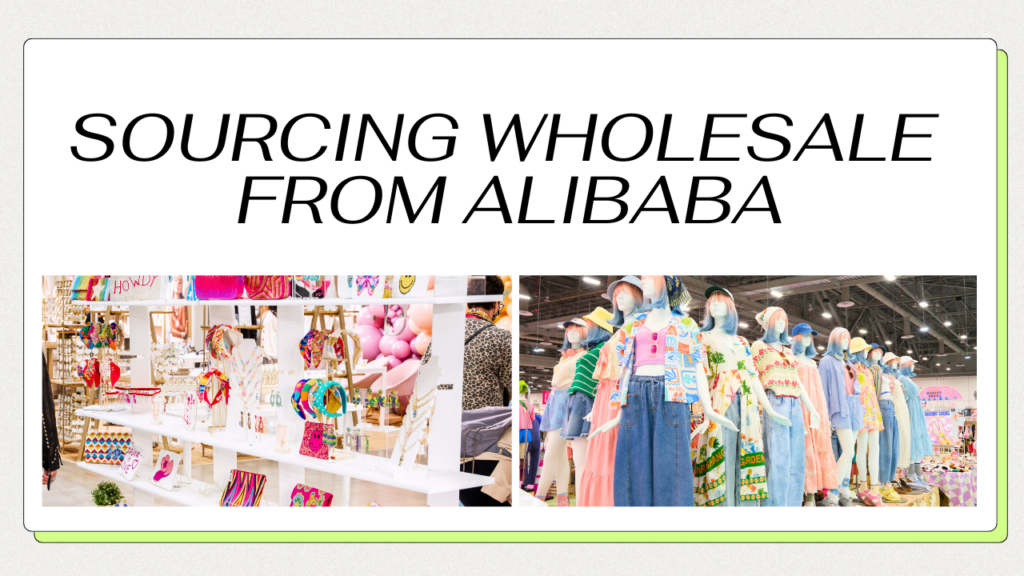
As a small business owner, finding the right wholesale inventory can make or break your boutique’s success. While there are plenty of options for sourcing inventory, Alibaba is one of the most well-known platforms for buying wholesale directly from manufacturers. But is it the right choice for your business?
Before diving in, it’s important to understand the pros and cons of using Alibaba so you can make an informed decision. That’s why we’ve put together a free guide that breaks it all down for you! Download the guide here.
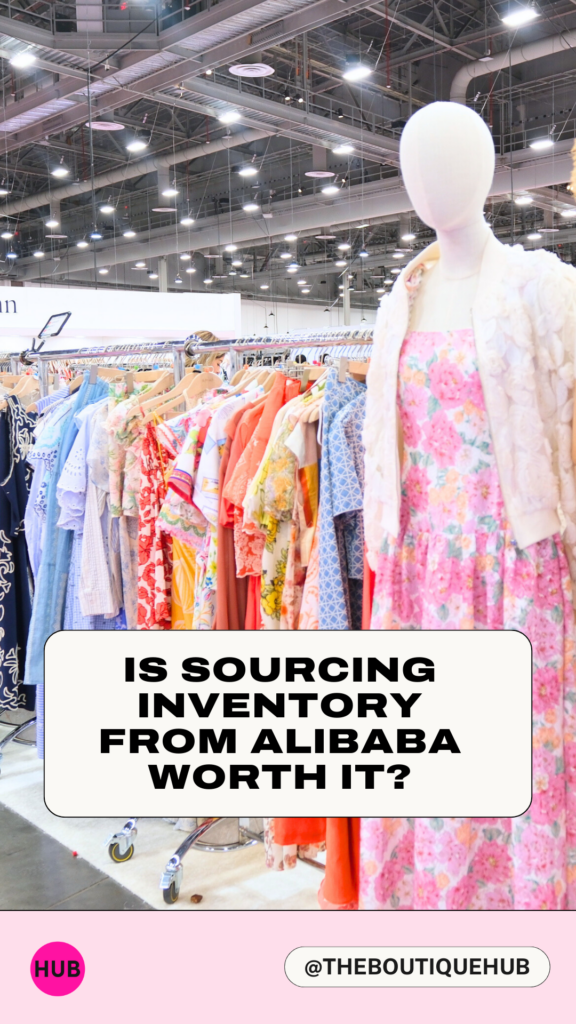
What is Alibaba?
Alibaba is a massive online marketplace that connects businesses with manufacturers and suppliers worldwide. Unlike traditional wholesale marketplaces, Alibaba allows you to source products directly from factories, often at lower prices. However, working with international suppliers comes with unique challenges, including quality control, shipping logistics, and potential scams.
Pros of Sourcing Inventory from Alibaba
- Lower Prices & Bulk Discounts – Since you’re buying directly from manufacturers, prices are often much lower than domestic wholesale suppliers. Many suppliers offer bulk discounts, making it easier to improve your margins.
- Endless Product Variety – From trendy apparel to accessories and private-label beauty products, Alibaba offers an extensive range of inventory options for boutiques of all sizes.
- Supplier Negotiation – Many suppliers are open to negotiations, meaning you can often work out better pricing or terms depending on your order size and long-term partnership.
Cons of Sourcing Inventory from Alibaba
- Longer Shipping Times – Since most Alibaba suppliers are based overseas, expect longer shipping times, sometimes taking weeks or even months for products to arrive.
- Quality Control Risks – Unlike domestic wholesale suppliers, you won’t always get to see products in person before purchasing. Requesting samples before placing bulk orders is crucial.
- Scams & Fraud Risks – While Alibaba has made improvements in supplier verification, scams and counterfeit goods still exist. It’s essential to vet suppliers carefully and use secure payment methods.
- Customs & Import Fees – If you’re ordering internationally, be prepared for additional costs like customs duties, tariffs, and shipping fees that can add up quickly.
Best Practices for Buying from Alibaba
- Research Suppliers Thoroughly – Look for “Verified” or “Gold” suppliers with good reviews and long-standing reputations.
- Request Samples First – Before making a large purchase, always order a sample to check quality and confirm product details.
- Negotiate Terms – Don’t be afraid to negotiate pricing, minimum order quantities (MOQs), and shipping terms.
- Use Secure Payment Methods – Stick to Alibaba’s Trade Assurance or PayPal to protect your purchase.
- Plan for Longer Lead Times – Make sure to factor in extended shipping times when planning seasonal inventory.
Is Alibaba Right for Your Boutique?
While Alibaba offers great pricing and product variety, it’s not the right fit for every boutique. If you want a more hands-on approach with your suppliers, faster shipping, and lower order minimums, you might be better off working with domestic wholesale platforms like Hubventory.
Before making any big inventory decisions, grab our free guide on the Pros & Cons of Using Alibaba to ensure you’re making the best choice for your business. Download it here and start sourcing smarter today!
Recent Posts:
- Five Minute Friday: Automated Doesn’t Mean Accurate: Shopify Tax Filing Explained
 Can you trust Shopify to handle your sales tax automatically? Many boutique owners assume that once Shopify’s automated sales tax filing is turned on, everything is taken care of. But automation doesn’t always mean accuracy—and if something is filed incorrectly, you’re still responsible. Juliet from HarQuin Boutique Bookkeeping explains the limitations of Shopify’s automated filing… Read more: Five Minute Friday: Automated Doesn’t Mean Accurate: Shopify Tax Filing Explained
 - #817: Purpose First. Profits Follow: The Evolution of John Mark EnterprisesWhat does it take to turn a high school side hustle into a thriving retail brand, wholesale business, and nationally recognized name? Ashley Alderson sits down with John Mark Sharpe (John Mark Enterprises) as he shares the incredible journey from selling wreaths out of a guest bedroom to building a multi-location business, launching a successful… Read more: #817: Purpose First. Profits Follow: The Evolution of John Mark Enterprises
- Denim & Diamonds: Everything You Need to Know About the Boutique Summit 2026 Closing Party
 After two incredible days of learning, networking, and growing your business, it’s time to celebrate. Join us for the official Boutique Summit 2026 Closing Party—an evening filled with great food, live music, new friendships, and plenty of unforgettable moments. Whether you came with your team or arrived knowing no one, this is one of the… Read more: Denim & Diamonds: Everything You Need to Know About the Boutique Summit 2026 Closing Party
 - Five Minute Friday: How Boutique Owners Can Create More Motivated EmployeesWhy do some employees take ownership while others just go through the motions? The answer isn’t usually more rules, more checklists, or more micromanagement. The most motivated teams understand the purpose behind their work, know how success is measured, and feel empowered to contribute to the outcome. Sara Burks shares 3 PRACTICAL WAYS to motivate… Read more: Five Minute Friday: How Boutique Owners Can Create More Motivated Employees
- 5 Signs Your Boutique Has Outgrown Its WebsiteGuest Blog by Soul Mana Web Design You’ve built something real. Your products are curated, your brand has a distinct personality, and your customers love what you’ve created. Your Instagram is beautiful. Your in-store experience is warm, elevated, and entirely on brand. But your website? It might be the one thing holding your business back… Read more: 5 Signs Your Boutique Has Outgrown Its Website