In the world of e-commerce, your product descriptions play a pivotal role in enticing potential customers and driving sales. A well-crafted product description can paint a vivid picture, answer questions, and address concerns, ultimately persuading shoppers to make a purchase. If you’re a small business owner looking to improve your product descriptions, you’re in the right place. In this blog post, we’ll explore the art of writing the perfect product description that captivates your audience and sets your boutique apart.
- Know Your Audience
Before you start writing, it’s crucial to understand your target audience. Consider their demographics, interests, and pain points. Tailoring your product descriptions to resonate with your ideal customers will make them more relatable and appealing. Speak their language, address their needs, and showcase how your product can enhance their lives.
- Highlight Unique Selling Points
What makes your product stand out? Identify its unique selling points (USPs) and emphasize them in your description. Whether it’s exceptional quality, sustainable materials, or exclusive designs, make sure these features are front and center. Explain how these aspects benefit the customer and set your product apart from the competition.
- Be Clear and Concise
Avoid vague or overly technical language. Keep your product descriptions clear, concise, and easy to understand. Use simple sentences and bullet points when necessary to break down information into digestible chunks. Shoppers should quickly grasp what your product is, what it does, and why they need it.
- Create an Emotional Connection
Effective product descriptions go beyond the features and benefits; they create an emotional connection with the reader. Use storytelling techniques to evoke feelings and paint a vivid picture of how your product fits into their lives. Share relatable scenarios, and highlight the emotions or experiences your product can evoke. What events can your customer wear this item too? Where in her home can she use this decor item? Use your product description to tell a story.
- Provide Detailed Specifications
While brevity is essential, it’s equally crucial to provide comprehensive product details. Include essential information such as size, color options, materials, care instructions, and any other relevant specifications. This helps customers make informed decisions and reduces the likelihood of returns or dissatisfaction.
- Use High-Quality Images
Complement your product descriptions with high-quality images. Visuals play a significant role in the online shopping experience. Include multiple images showcasing different angles, close-ups, and lifestyle shots. These images should align with your description and help customers visualize the product in their lives.
- Incorporate SEO Keywords
Optimize your product descriptions for search engines by incorporating relevant keywords. Research popular search terms in your niche and seamlessly integrate them into your descriptions. However, ensure that the keywords fit naturally and don’t compromise the overall quality of your content.
- Offer Social Proof
Boost confidence in your products by including customer reviews, ratings, and testimonials within your product descriptions. Honest feedback from satisfied customers can provide valuable insights and encourage potential buyers to trust your brand.
- Call to Action (CTA)
Every product description should have a clear and compelling call to action. Encourage visitors to take the next step, whether it’s adding the product to their cart, subscribing to your newsletter, or following your boutique on social media. Use action-oriented phrases like “Shop Now,” “Discover More,” or “Add to Cart” to prompt action.
Crafting the perfect product description is an art that combines creativity and strategy. Small business owners can differentiate themselves in the competitive e-commerce landscape by creating compelling, informative, and emotionally resonant descriptions. Remember to know your audience, highlight your product’s unique features, provide clear specifications, and use images and SEO effectively. By following these guidelines, you can create product descriptions that engage, inspire, and drive sales for your boutique.
Get more information on growing your business by joining The Boutique Hub where we have tons of training, information, and most importantly, connection! Try out our service for a month, cancel anytime.
Follow along on Instagram @theboutiquehub.
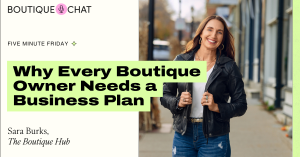
- Five Minute Friday: Why Every Boutique Owner Needs a Business Plan
 Do you actually need a business plan to run a successful boutique? The answer is yes—but probably not for the reason you think. A business plan isn’t just paperwork for investors. It’s the roadmap that helps you define your mission, identify your ideal customer, clarify your value proposition, and prepare for the challenges every retailer… Read more: Five Minute Friday: Why Every Boutique Owner Needs a Business Plan
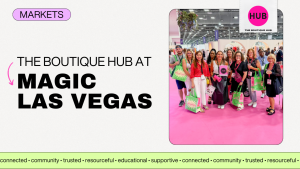
 - The Boutique Hub at MAGIC Las Vegas
 The Boutique Hub Team can’t wait to head back to Vegas for the MAGIC Las Vegas – there is more MAGIC than ever to explore this season – we can’t wait to discover it all with you!
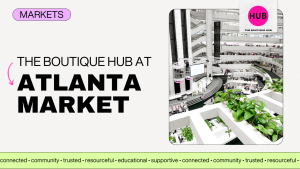
 - The Boutique Hub at Atlanta Apparel MarketMake The Boutique Hub Showroom your first stop in Atlanta! Boutique Hub members save money with “Hub Member Only” market discounts. Check in at the showroom to get your Must See List, Buyers Badge and more
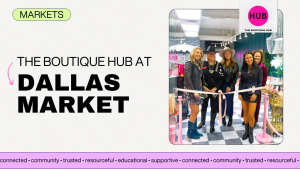
- The Boutique Hub at the Dallas August Apparel MarketIt’s almost Dallas Market time and we are counting down the days. The Hub team is heading back to market and we cannot wait to see you in person. We know those days fly by fast, so we’ve rounded up our full schedule to make it easy for you to plan ahead, swing by, and connect with us while you’re there.
- The Boutique Hub at FLAIR Midwest MarketMode Market 2026 is raising the bar for dance retailers everywhere. In an exciting new partnership with The Boutique Hub, the February event will now open with a full day of business education designed to help retailers boost sales, sharpen strategy, and build stronger brands. Taking place Wednesday, February 4, 2026, at the Henry B. González Convention Center in San Antonio, this collaboration blends Mode Market’s industry expertise with The Boutique Hub’s proven track record of empowering independent retailers. From mastering email marketing to optimizing in-store merchandising and turning local wins into online growth, attendees will gain the tools and insights needed to thrive in today’s ever-evolving retail landscape.