Running ads for your small business can be a game-changer—but only if you’re truly ready. Jumping into Facebook and Instagram ads too soon can feel like tossing money into the wind. So, how do you know if you’re ready to take the leap and make the most of your ad budget?
Before you start spending, here are five key signs that you’re ready to run profitable ads:
1. You Have a Strong Brand Identity
Your brand isn’t just your logo or your color scheme—it’s the entire experience you create for your customers. Before investing in ads, make sure you have:
✔ A clear brand message
✔ A defined target audience
✔ Consistent branding across your website, social media, and email marketing
If your business still feels all over the place, focus on refining your brand before spending a dime on ads.
2. Your Website or Online Store is Ready to Convert
Ads can drive traffic, but if your website isn’t set up to convert visitors into paying customers, you’ll be wasting money. Make sure:
✔ Your website is mobile-friendly and easy to navigate
✔ Your product descriptions and photos are high-quality
✔ Your checkout process is smooth (no frustrating steps!)
✔ You have retargeting tools like a Facebook Pixel installed
3. You Know Your Numbers
Successful ads aren’t just about getting clicks—they’re about making a profit. Before running ads, you should know:
✔ Your average order value (AOV)
✔ Your customer acquisition cost (CAC)
✔ Your profit margins
If you’re unsure about these numbers, take some time to track your sales and expenses first. Ads should amplify a strong business foundation, not act as a quick fix.
4. You Have Organic Marketing Working for You
If your organic (unpaid) marketing efforts aren’t bringing in sales, ads probably won’t fix that. Before running ads, you should already be seeing some sales from:
✔ Social media engagement
✔ Email marketing
✔ Word-of-mouth and referrals
Ads work best when they’re used to scale what’s already working, not to create demand out of thin air.
5. You Have a Budget and a Plan
Ads require testing, tweaking, and patience. If you only have $50 to spend and expect overnight results, you’re in for a disappointment. A solid ad strategy includes:
✔ A realistic budget (even small budgets can work if used strategically!)
✔ A testing period to see what works
✔ A plan for retargeting people who engage but don’t purchase
Ready to Find Out If Ads Are Right for You?
Before you spend a dollar on ads, make sure you’re set up for success! Download our free guide: Are You Ready to Run FB/IG Ads to Your Online Store?
This guide will walk you through exactly what you need to have in place before hitting that “Boost” button. Get the inside scoop from experts who have helped thousands of boutique owners run profitable ads!
Recent Post:
- Five Minute Friday (Couch Conversations): The Ins & Outs of Business
 What if you could sit down on the couch with other boutique owners and just talk about what’s really working right now? Welcome to a brand new Five Minute Friday series —Couch Conversations! In this first episode, Ashley Alderson and Sara Burks break down the IN vs OUT shifts for 2026, from content creation to… Read more: Five Minute Friday (Couch Conversations): The Ins & Outs of Business
 - Feeling Stuck in Your Boutique? 7 Signs You’re Ready for Summit
 Feeling stuck in your boutique—even though you’re doing everything “right”? You’re not alone. In this blog, we break down 7 clear signs your business has outgrown its current strategy and what to do next. If you’re ready for more clarity, better systems, and real growth, Boutique Summit 2026 might be exactly what you need.
 - #804: The Ultimate Market Buying Tool Every Boutique Owner Needs
 What if the biggest inventory mistakes in your business are happening before the product ever arrives? Ashley Alderson is joined by Ulla Hald, founder of FAVES, to talk about how boutique retailers can buy smarter by planning ahead, tracking purchases in real time, and staying on top of what’s ordered, what’s arriving, and what still… Read more: #804: The Ultimate Market Buying Tool Every Boutique Owner Needs
 - Five Minute Friday: Sales Are Down… Now What?
 Sales are down… so what should you actually do next? If you’ve ever had a slow day (or week) where your stomach drops, your heart starts racing, and you’re refreshing Shopify every 10 seconds… this episode is for you. Ashley breaks down exactly how to respond when sales dip — and why panic is the… Read more: Five Minute Friday: Sales Are Down… Now What?
 - The Boutique Hub at Atlanta Apparel Market
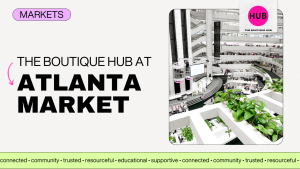 Make The Boutique Hub Showroom your first stop in Atlanta! Boutique Hub members save money with “Hub Member Only” market discounts. Check in at the showroom to get your Must See List, Buyers Badge and more