If you’ve ever wondered, “Where do boutiques actually get their clothes?” — you’re not alone.
It’s one of the most common questions new boutique owners ask. And honestly? It’s not as mysterious as it looks from the outside.
Boutiques don’t shop retail. They don’t walk into a mall and resell what they bought. They purchase inventory through wholesale suppliers, trade shows, and online buying platforms designed specifically for retailers.
If you’re thinking about starting a boutique — or you’re early in the process — this guide will walk you through exactly how wholesale buying works and where boutiques source their inventory.
What Does “Wholesale” Mean?
Wholesale is when retailers purchase products in bulk directly from brands, manufacturers, or distributors at a discounted rate.
Instead of paying retail pricing, boutiques buy at a lower cost (often 50% of the retail price or more), then mark the product up to make a profit.
Example:
- Wholesale cost: $25
- Retail price: $50
- Gross margin: 50%
That difference is how boutiques stay in business.
The 4 Main Places Boutiques Get Their Clothes
There are four primary sourcing methods boutique owners use.
1. Wholesale Online Marketplaces
This is the most common starting point for new boutique owners.
Online wholesale platforms allow retailers to:
- Browse multiple brands in one place
- Compare pricing
- View minimum order quantities
- Place orders without traveling
This option is ideal for:
- New boutique owners
- Online-only stores
- Retailers who want flexibility
Platforms like Hubventory allow boutiques to discover vetted wholesale brands without having to attend in-person markets.
For many new retailers, this is the easiest and most accessible entry point into wholesale buying.
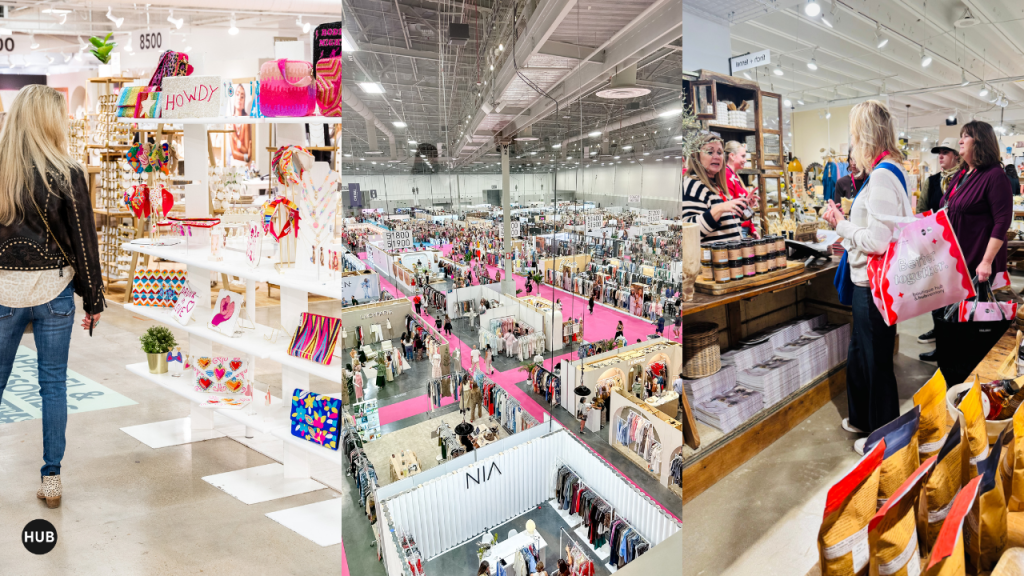
2. Wholesale Trade Shows & Markets
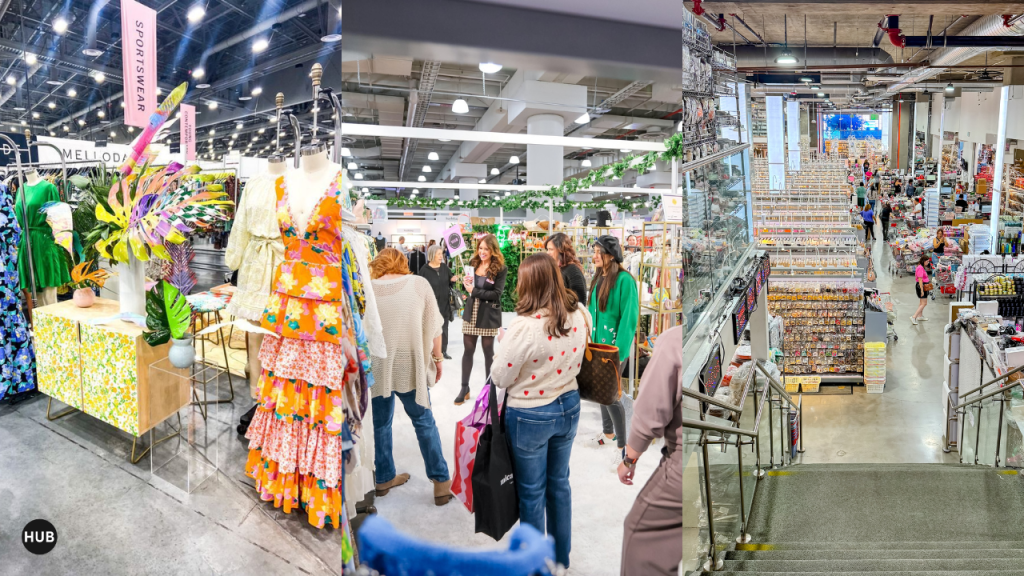
Established boutique owners often attend in-person markets such as Dallas Market, Atlanta Market, or Las Vegas apparel markets.
At these events, retailers:
- Walk showrooms
- Meet brand reps
- View upcoming collections in person
- Write orders on-site
Pros:
- See and feel product quality
- Build vendor relationships
- Preview upcoming seasonal trends
Cons:
- Travel costs
- Time away from store
- Overbuying due to excitement
For beginners, online wholesale buying is often a lower-risk way to start before investing in trade show travel.
3. Direct from Brand Websites
Some brands sell wholesale directly through their own websites.
Retailers must:
- Apply with a resale certificate
- Provide business documentation
- Meet minimum order requirements
This method works well once you know specific brands you want to carry.
However, it requires more research and vendor discovery on your own.
4. Private Label & Manufacturers
Some boutique owners create custom collections by working directly with manufacturers.
This includes:
- Designing your own styles
- Custom labeling
- Larger minimum orders
Private label is typically more advanced and requires:
- Higher upfront investment
- Production timelines
- Quality control management
Most beginners start with wholesale brands before moving into private label.
How Do Boutiques Find Wholesale Vendors?
Now the real question.
Boutique owners find vendors by:
- Searching online wholesale marketplaces
- Asking other retailers (networking matters)
- Attending trade shows
- Researching brands on social media
- Using curated buying platforms
If you’re brand new, the safest path is using a curated wholesale platform where vendors are vetted and retailer-focused.
It reduces risk, saves time, and prevents common beginner mistakes.
What Do You Need to Buy Wholesale?
To purchase wholesale inventory, boutiques typically need:
- A registered business name
- A resale certificate (or sales tax ID)
- A business bank account
- A buying budget
Most wholesale vendors require proof that you are a legitimate retailer before granting access to pricing.
How Much Inventory Should a Beginner Boutique Buy?
This is where many new owners go wrong.
They overbuy.
Instead of placing massive opening orders, smart boutique owners:
- Start small
- Test categories
- Track sell-through rates
- Reorder winners
Buying is a skill. It improves with data and experience.
A strategic approach to inventory planning protects your cash flow and prevents dead stock.
Common Beginner Wholesale Buying Mistakes
If you’re just starting, avoid these:
• Buying based on personal taste only
• Ignoring minimum order quantities
• Not calculating true profit margins
• Buying too much of one style
• Forgetting to plan for reorders
Wholesale buying isn’t about what you love. It’s about what sells profitably.
Is Online Wholesale Better Than Trade Shows?
For beginners, online wholesale platforms are often:
- Lower risk
- More flexible
- Easier to manage cash flow
- Less overwhelming
Trade shows can be valuable — but they aren’t required to start a boutique successfully.
Many modern retailers run fully online businesses and source inventory digitally.
How Boutique Owners Build Vendor Relationships
Strong boutiques don’t just “buy.” They build relationships.
They:
- Communicate with reps
- Provide feedback
- Pay invoices on time
- Reorder consistently
Long-term vendor relationships often lead to:
- Early access to collections
- Exclusive styles
- Flexible payment terms
Buying isn’t transactional. It’s strategic.
FAQs About Where Boutiques Get Their Clothes
Do boutiques design their own clothes?
Some do (private label), but most purchase wholesale from established brands.
Can I buy wholesale without a business license?
Most legitimate vendors require business documentation and a resale certificate.
How much money do I need to start buying wholesale?
It depends on your business model, but many new online boutiques start with a few thousand dollars in inventory and grow gradually.
Is wholesale cheaper than retail?
Yes. Wholesale pricing is structured to allow retailers to mark up products and make a profit.
Final Thoughts: Don’t Just Find Vendors — Learn How to Buy Smart
Finding wholesale vendors is only step one.
The real difference between a boutique that survives and one that grows?
Knowing what to buy, how much to buy, when to reorder, and how to protect your margins.
You don’t need to figure that out alone.
Inside The Boutique Hub membership, boutique owners get:
- Step-by-step buying education
- Inventory planning tools
- Margin and pricing strategy support
- Access to vetted wholesale vendors
- A community of retailers sharing what’s actually working
Wholesale buying isn’t about guessing. It’s about building a system.
If you’re serious about starting (or scaling) your boutique the smart way, becoming a member gives you the roadmap — not just the vendor list.
👉 Join The Boutique Hub membership and start buying with confidence.
Because the goal isn’t just to stock cute clothes.
It’s to build a profitable boutique that lasts.