APPLE PODCAST | SPOTIFY | YOUTUBE
In today’s digital age, mastering the art of online sales is crucial for businesses aiming to thrive in the competitive market. Just as there are strategies for brick-and-mortar sales, there exists a five-step process tailored for the online realm.
In this week’s Five Minute Friday podcast, I delve into a five-step process to revolutionize your sales strategy. Let’s explore how to transform customer interactions from mere transactions into meaningful connections.
Steps to the Perfect Online Sales Process
Step 1: Relating
The journey begins with building a connection with your audience through relatable content. While it may seem trivial, sharing relatable posts on platforms like TikTok or Instagram Reels can significantly impact engagement. Customers want content they can resonate with, not just constant sales pitches. By sharing quotes, memes, or personal anecdotes, you create a space where potential customers feel understood and compelled to engage.
Step 2: Discover
Understanding your customers’ needs is pivotal for offering tailored solutions. Through various online interactions such as polls, surveys, or simple questions, you can uncover their pain points and preferences. Whether it’s identifying common challenges or gauging upcoming events in their lives, effective discovery allows you to align your offerings with their requirements seamlessly.
Step 3: Suggest
Once you’ve established rapport and identified needs, it’s time to offer solutions. Whether it’s through product descriptions, social media captions, or email marketing, suggest offerings that address specific pain points. By highlighting the benefits and relevance of your products, you guide customers towards making informed decisions that cater to their needs.
Step 4: Close the Sale
Closing the sale online requires proactive measures to streamline the purchasing process. Ensure that your online platform is user-friendly, with clear navigation and seamless checkout options. Provide direct links to products with each post to minimize friction and maximize conversion rates. Just as you would actively promote your brick-and-mortar store, actively market your online presence to attract and retain customers.
Step 5: Support After the Sale
The journey doesn’t end with a successful transaction. It’s essential to nurture customer relationships beyond the initial sale. Offer post-purchase support through personalized communication, exclusive offers, or follow-up emails. By fostering a positive experience and demonstrating genuine care, you increase the likelihood of repeat business and foster brand loyalty.
Mastering the art of sales requires more than just pitching products—it’s about cultivating meaningful connections and delivering exceptional experiences. By following this five-step process, you can elevate your sales strategy and create lasting impressions that resonate with customers.
PS – Want to get more traffic to your online boutique? Our free guide is filled with traffic driving ideas for your business!
In This Episode
Let’s Connect #AskAshley
- Have a question or guest recommendation? Let us know your feedback directly here!
- Do you love the Boutique Chat Podcast?! Subscribe to our podcast and after that, leave us a review on iTunes Apple Podcasts here!
Must Have Resources
- The Boutique Hub: Website | Facebook | Instagram | Pinterest | TikTok | YouTube
- Boutique Summit 2024
- Small Business Marketing Handbook
- Small Business Hiring Handbook
- Brand Owner Basics Masterclass
- Tradeshow Marketing Handbook
- 2024 Trade Show Calendar
- Boutique Hub Black
- Hubventory.com
Recent Posts:
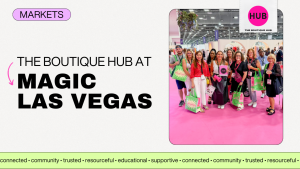
- The Boutique Hub at MAGIC Las Vegas
 The Boutique Hub Team can’t wait to head back to Vegas for the MAGIC Las Vegas – there is more MAGIC than ever to explore this season – we can’t wait to discover it all with you!
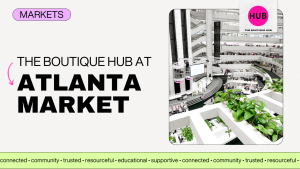
 - The Boutique Hub at Atlanta Apparel MarketMake The Boutique Hub Showroom your first stop in Atlanta! Boutique Hub members save money with “Hub Member Only” market discounts. Check in at the showroom to get your Must See List, Buyers Badge and more
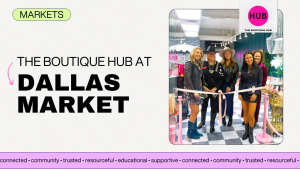
- The Boutique Hub at the Dallas August Apparel MarketIt’s almost Dallas Market time and we are counting down the days. The Hub team is heading back to market and we cannot wait to see you in person. We know those days fly by fast, so we’ve rounded up our full schedule to make it easy for you to plan ahead, swing by, and connect with us while you’re there.