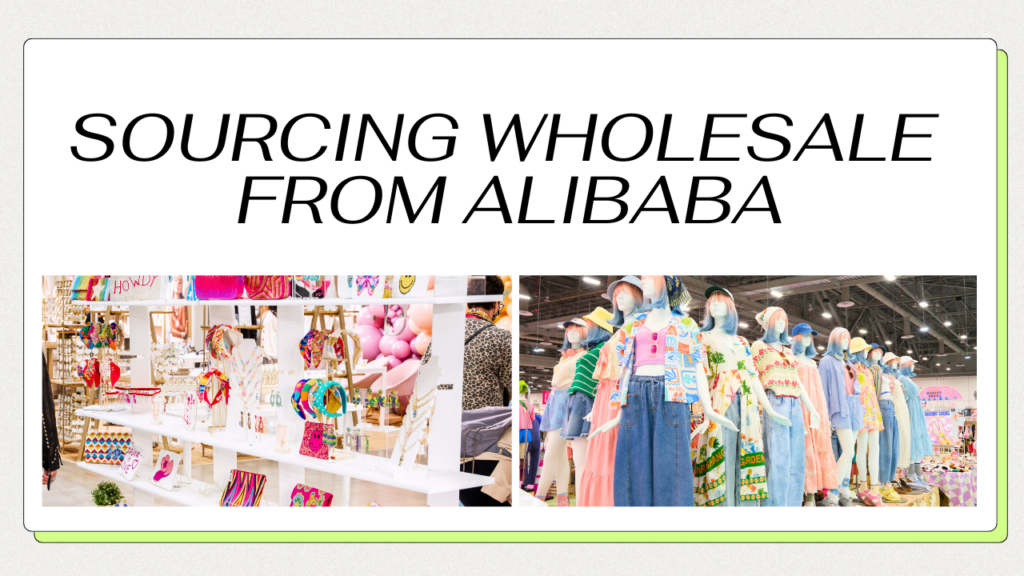
As a small business owner, finding the right wholesale inventory can make or break your boutique’s success. While there are plenty of options for sourcing inventory, Alibaba is one of the most well-known platforms for buying wholesale directly from manufacturers. But is it the right choice for your business?
Before diving in, it’s important to understand the pros and cons of using Alibaba so you can make an informed decision. That’s why we’ve put together a free guide that breaks it all down for you! Download the guide here.
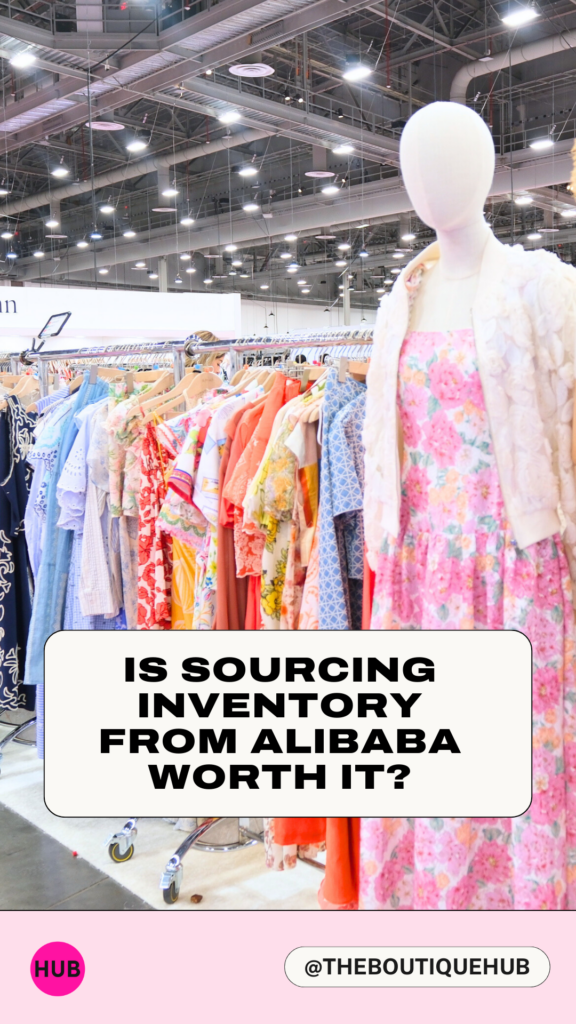
What is Alibaba?
Alibaba is a massive online marketplace that connects businesses with manufacturers and suppliers worldwide. Unlike traditional wholesale marketplaces, Alibaba allows you to source products directly from factories, often at lower prices. However, working with international suppliers comes with unique challenges, including quality control, shipping logistics, and potential scams.
Pros of Sourcing Inventory from Alibaba
- Lower Prices & Bulk Discounts – Since you’re buying directly from manufacturers, prices are often much lower than domestic wholesale suppliers. Many suppliers offer bulk discounts, making it easier to improve your margins.
- Endless Product Variety – From trendy apparel to accessories and private-label beauty products, Alibaba offers an extensive range of inventory options for boutiques of all sizes.
- Supplier Negotiation – Many suppliers are open to negotiations, meaning you can often work out better pricing or terms depending on your order size and long-term partnership.
Cons of Sourcing Inventory from Alibaba
- Longer Shipping Times – Since most Alibaba suppliers are based overseas, expect longer shipping times, sometimes taking weeks or even months for products to arrive.
- Quality Control Risks – Unlike domestic wholesale suppliers, you won’t always get to see products in person before purchasing. Requesting samples before placing bulk orders is crucial.
- Scams & Fraud Risks – While Alibaba has made improvements in supplier verification, scams and counterfeit goods still exist. It’s essential to vet suppliers carefully and use secure payment methods.
- Customs & Import Fees – If you’re ordering internationally, be prepared for additional costs like customs duties, tariffs, and shipping fees that can add up quickly.
Best Practices for Buying from Alibaba
- Research Suppliers Thoroughly – Look for “Verified” or “Gold” suppliers with good reviews and long-standing reputations.
- Request Samples First – Before making a large purchase, always order a sample to check quality and confirm product details.
- Negotiate Terms – Don’t be afraid to negotiate pricing, minimum order quantities (MOQs), and shipping terms.
- Use Secure Payment Methods – Stick to Alibaba’s Trade Assurance or PayPal to protect your purchase.
- Plan for Longer Lead Times – Make sure to factor in extended shipping times when planning seasonal inventory.
Is Alibaba Right for Your Boutique?
While Alibaba offers great pricing and product variety, it’s not the right fit for every boutique. If you want a more hands-on approach with your suppliers, faster shipping, and lower order minimums, you might be better off working with domestic wholesale platforms like Hubventory.
Before making any big inventory decisions, grab our free guide on the Pros & Cons of Using Alibaba to ensure you’re making the best choice for your business. Download it here and start sourcing smarter today!
Recent Posts:
- Five Minute Friday: 3 Business Beliefs That Are Keeping You Stuck
 What’s really keeping your business from growing? It probably isn’t your budget, your competition, or even your experience. It’s the beliefs you’ve accepted as truth. Samantha Conner shares three mindset shifts that separate business owners who stay stuck from those who continue to grow. Learn why waiting until you feel “ready” costs opportunities, how preparation… Read more: Five Minute Friday: 3 Business Beliefs That Are Keeping You Stuck
 - #819: What 50+ Years in Boutique Retail Can Teach Today’s Store OwnersCan a boutique really survive for more than 50 years? Starting with just three pieces of jewelry in 1970, Linda Winter built Accessories With a Flair and Hair into a unique business that combines apparel, accessories, hair services, wigs, skincare, and personal styling. In this conversation, she shares the mindset that has helped her navigate… Read more: #819: What 50+ Years in Boutique Retail Can Teach Today’s Store Owners
- Five Minute Friday: The Psychology Behind Customer Loyalty and Higher SalesWant customers to buy more without feeling pushy? When people receive value first—whether it’s a small gift, helpful advice, premium content, or an unexpected surprise—they’re naturally more likely to trust your brand and return the favor. Samantha Conner shares practical ways retailers and wholesale brands can use reciprocity to build stronger customer relationships and increase… Read more: Five Minute Friday: The Psychology Behind Customer Loyalty and Higher Sales
- #818: The Boutique Marketing Strategy Most Retailers Are MissingMore traffic won’t fix a boutique that’s speaking to the wrong customer. Ashley sits down with Josh Orr, CEO of Capital Commerce, to break down what separates seven-figure boutique brands from everyone else. They discuss why identifying your perfect customer changes everything—from your website and social media to your product selection and marketing strategy. If… Read more: #818: The Boutique Marketing Strategy Most Retailers Are Missing
- Ashley Alderson Receives First-Ever Diamond Award Honoring Lasting Impact on Independent Retail
 Some awards recognize a great year. Others recognize a lifetime of impact. This year, Gifts & Decorative Accessories introduced its first-ever Diamond Awards in celebration of the 75th anniversary of the Retailer Excellence Awards—a one-time recognition honoring the retailers, manufacturers, sales organizations, and influencers who have helped shape the independent retail industry for generations. We’re… Read more: Ashley Alderson Receives First-Ever Diamond Award Honoring Lasting Impact on Independent Retail