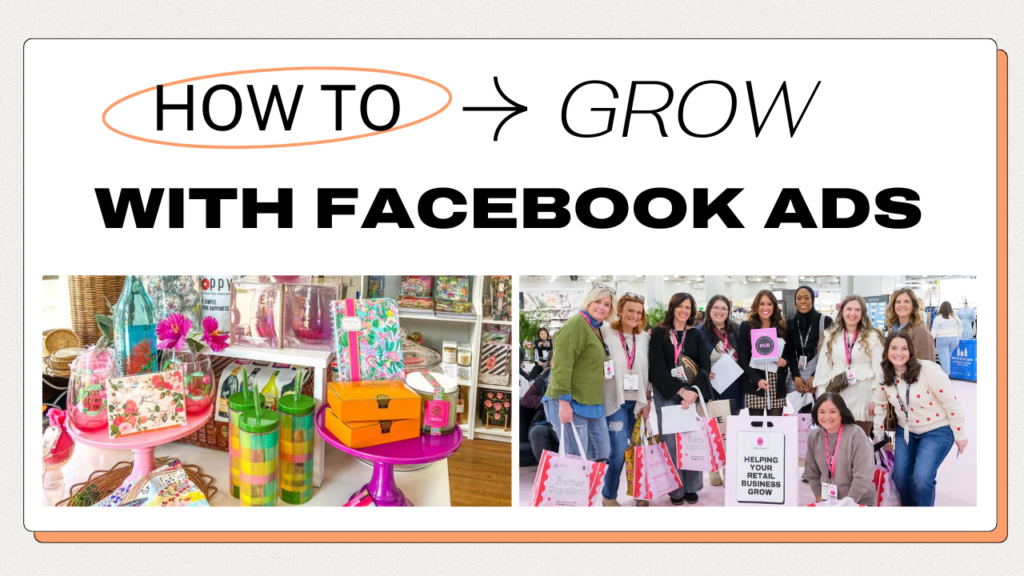
Facebook Ads have emerged as a game-changer for small businesses seeking to expand their reach and boost sales in 2025. With over 2.8 billion monthly active users, the potential for growth on this platform is immense. In this blog post, we’ll explore seven tips to help you grow your small business with Facebook Ads.
Define Your Goals:
Before diving into the world of Facebook Ads, it’s crucial to clearly define your business objectives. Whether you aim to increase brand awareness, drive website traffic, or boost sales, having well-defined goals will guide your ad strategy and help measure success.
Know Your Audience:
Facebook’s robust targeting options allow you to reach specific demographics, interests, and behaviors. Take advantage of this by creating buyer personas to understand your target audience better. Tailor your ads to resonate with their needs, preferences, and pain points, ensuring higher engagement and conversion rates.
Compelling Visuals and Copy:
In the crowded digital space, eye-catching visuals and compelling copy are essential to grab attention. Invest time and resources in creating high-quality images or videos that align with your brand identity. Craft concise, persuasive ad copy that clearly communicates your value proposition and encourages users to take action.
Utilize Facebook Pixel:
Implementing Facebook Pixel on your website is a game-changer. This powerful tool allows you to track user interactions, measure the effectiveness of your ads, and optimize for conversions. By understanding user behavior, you can refine your targeting, improve ad delivery, and maximize your return on investment (ROI).
A/B Testing for Optimization:
To fine-tune your Facebook Ads strategy, engage in A/B testing. Experiment with different ad creatives, headlines, audience segments, and placements to identify what resonates best with your audience. Continuous testing and optimization are key to staying ahead of the curve and ensuring your ads deliver the desired results.
Leverage Retargeting Campaigns:
Not every user converts on their first interaction with your ad. Implement retargeting campaigns to re-engage users who have visited your website but didn’t make a purchase. This serves as a powerful reminder and encourages potential customers to complete their journey, boosting conversion rates and increasing overall ROI.
Monitor and Analyze Performance:
Regularly monitor the performance of your Facebook Ads through the platform’s analytics tools. Track key metrics such as click-through rates (CTR), conversion rates, and cost per acquisition (CPA). Use this data to identify successful strategies, make informed adjustments, and allocate your budget effectively for optimal results.
Ready to Start Your Facebook Ads Journey?
Maximize your Facebook Ads with our ultimate step-by-step checklist! Download this free comprehensive guide here: https://go.theboutiquehub.com/fb-ad-checklist
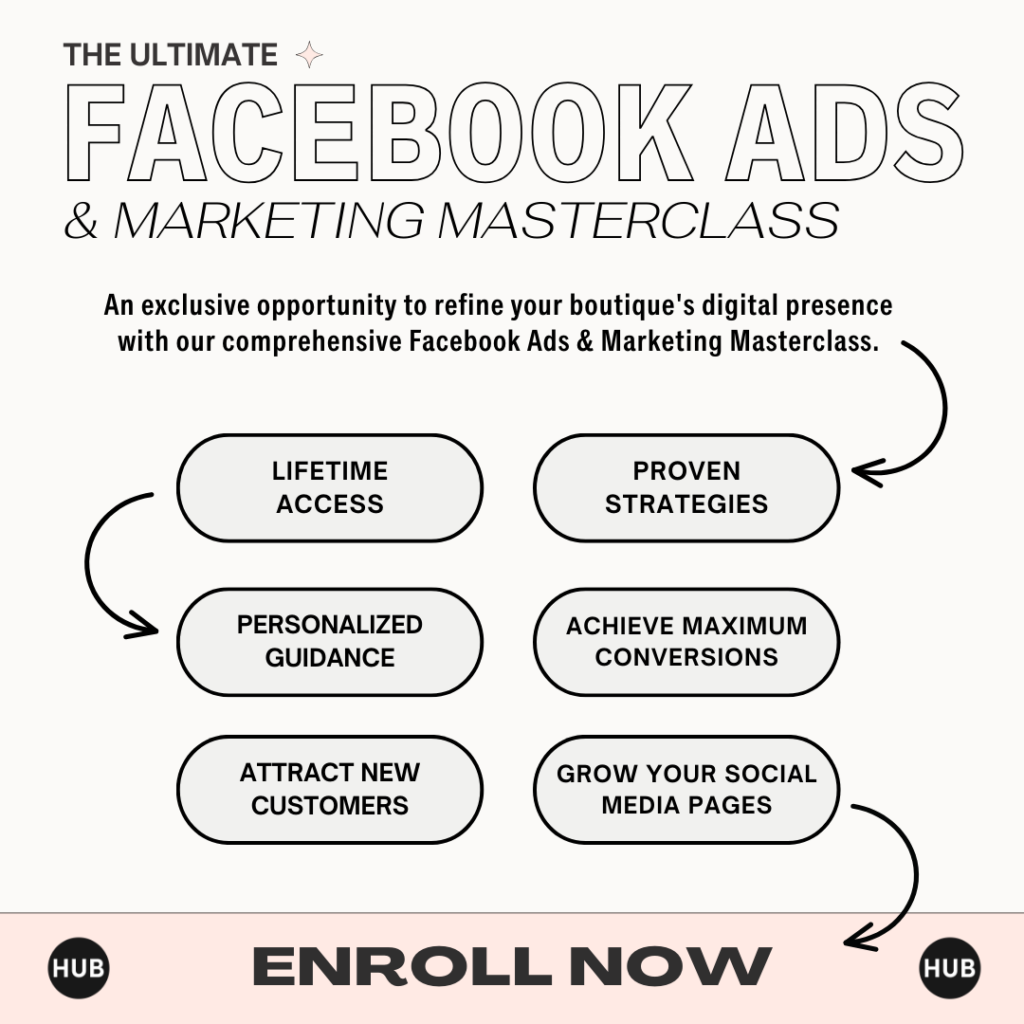
But even more than that… Are you looking for a guided masterclass to teach you in-depth strategies and techniques for every step along the way? The Facebook Ads Masterclass is your guide to successful ads to boost your income and traffic. Learn more about the Masterclass and enroll here: https://go.theboutiquehub.com/facebook-ads-masterclass-em
We hope you loved our article How to Grow Your Small Business with Facebook Ads. How else can The Boutique Hub help you grow?
Get more information on growing your business by joining The Boutique Hub where we have tons of training, information, and most importantly, connection! Try out our service for a month, cancel anytime.
- Five Minute Friday: The Biggest Buying Mistakes Boutique Owners Make
 Buying inventory shouldn’t feel like gambling. Sara Burks shares the questions every boutique owner should ask before placing a wholesale order. From understanding prepacks and sizing to shipping costs, return policies, and merchandising, these simple decisions can determine whether your inventory sells—or sits on the rack collecting dust. You’ll learn: How to evaluate wholesale vendors… Read more: Five Minute Friday: The Biggest Buying Mistakes Boutique Owners Make
 - The Boutique Hub at MAGIC New York
 The Hub Team is heading to MAGIC New York again and we couldn’t be more excited! With over 320+ brands, you are sure to find more MAGIC in a (New York) minute!
 - The Boutique Hub at Vegas Fashion WeekThe Boutique Hub at Vegas Fashion Week We are so excited to announce that The Boutique Hub will be at Vegas Fashion Week! With so many sourcing opportunities, Vegas Fashion Week is a ‘must-attend’ event!
- #821: The Truth About Boutique Growth, Burnout & Staying ConsistentCan you really build a successful boutique without burning out? For the past 10 years, Ashton Dockery has been part of The Boutique Hub while building Be You Boutique from the ground up. What started as an online boutique at just 18 years old has grown into a successful brick-and-mortar business—and along the way she’s… Read more: #821: The Truth About Boutique Growth, Burnout & Staying Consistent
- Five Minute Friday: Why Every Boutique Owner Needs a Business PlanDo you actually need a business plan to run a successful boutique? The answer is yes—but probably not for the reason you think. A business plan isn’t just paperwork for investors. It’s the roadmap that helps you define your mission, identify your ideal customer, clarify your value proposition, and prepare for the challenges every retailer… Read more: Five Minute Friday: Why Every Boutique Owner Needs a Business Plan